Zuschneidfelle are a unique and versatile material that have revolutionized various industrial applications. With their ability to withstand heavy use while maintaining precision and durability, these cutting mats offer solutions for professionals across multiple sectors. But what exactly makes Zuschneidfelle stand out in the world of industrial materials? As we dive into their history, properties, and diverse applications, you’ll discover why they are an essential tool in many industries today. Whether you’re familiar with Zuschneidfelle or just beginning to explore their potential, this blog will provide valuable insights that could change how you think about these remarkable products. Let’s unravel the fascinating story behind Zuschneidfelle and understand why they deserve a place in your toolkit.
History and Development of Zuschneidfelle
Zuschneidfelle, or cutting mats, have a rich history that dates back several decades. Initially developed for crafting and design purposes, these versatile tools quickly gained traction in various industrial sectors.
The evolution of Zuschneidfelle began with simple materials like cardboard. As demands grew for more durable solutions, manufacturers started experimenting with synthetic compounds. This innovation led to the creation of robust and reliable products that could withstand heavy use.
Over time, advancements in technology allowed for enhanced features such as self-healing surfaces and precision markings. These improvements made Zuschneidfelle indispensable in industries ranging from textiles to automotive manufacturing.
As sustainability became a priority, eco-friendly options emerged. Modern Zuschneidfelle not only cater to professional needs but also align with environmental considerations—a testament to their development over the years.
Key Properties of Zuschneidfelle
Zuschneidfelle are renowned for their exceptional durability. Crafted from high-quality materials, they withstand heavy industrial use without compromising performance. This resilience makes them a top choice in demanding environments.
Another key property is their versatility. Zuschneidfelle can be tailored to meet specific requirements, allowing for custom thickness and finishes. This adaptability opens doors across various industries.
Additionally, these cutting mats provide excellent grip and stability during operations. Their non-slip surfaces ensure precision when handling tools or materials, reducing the risk of accidents.
Furthermore, Zuschneidfelle exhibit remarkable resistance to wear and tear. They maintain their integrity even after extensive usage, which contributes to cost-effectiveness over time.
They are easy to clean and maintain. A simple wipe-down keeps them looking new while ensuring hygiene standards are met in workplaces like kitchens or laboratories.
Applications in Various Industries
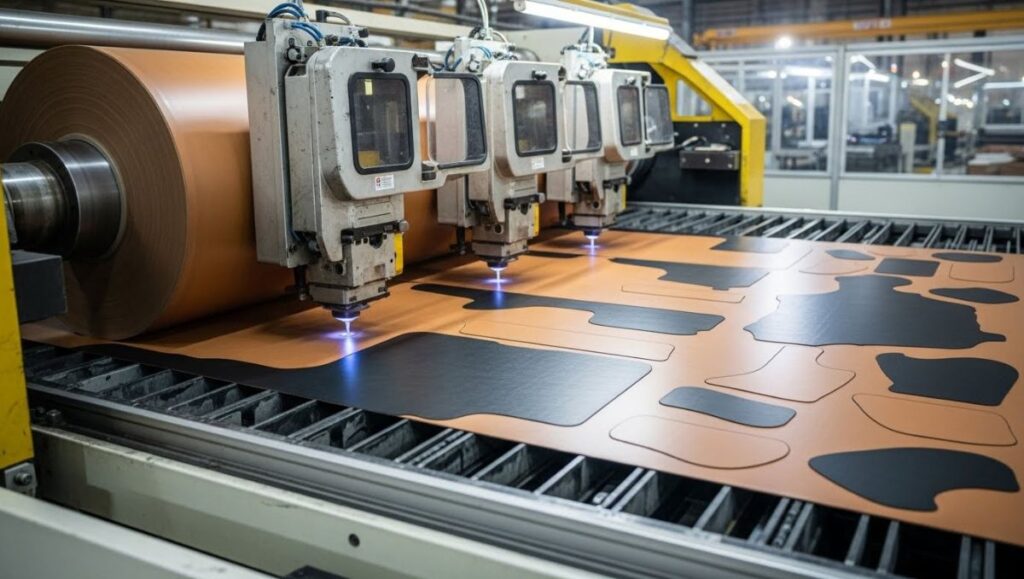
Zuschneidfelle find versatile applications across multiple industries. In automotive manufacturing, they serve as crucial components for precision cutting and shaping of materials. This ensures optimal performance and durability in vehicles.
The textile industry also heavily relies on Zuschneidfelle for their efficiency in fabric cutting. They enable manufacturers to reduce waste while maintaining high-quality standards, which is essential in today’s eco-conscious market.
In the furniture sector, these materials provide excellent support during the construction of upholstery and wood products. Their adaptability makes them ideal for various designs and styles.
Even within aerospace, Zuschneidfelle are utilized for intricate component fabrication. The ability to withstand demanding conditions adds significant value to aircraft production processes.
Healthcare settings benefit from Zuschneidfelle too; they assist in crafting medical devices that require precision cuts without compromising safety or hygiene standards. Each application showcases the remarkable flexibility of this material across diverse fields.
Advantages and Disadvantages of Using Zuschneidfelle
Zuschneidfelle offer several advantages that make them a popular choice in various industries. Their durability stands out, providing longevity even under heavy use. This is particularly beneficial for companies focused on reducing waste and costs over time.
Another significant advantage is their versatility. Zuschneidfelle can adapt to various cutting processes, making them suitable for different materials like leather, textiles, and plastics. This flexibility can streamline production lines.
However, there are also disadvantages to consider. One primary concern is the initial investment cost; high-quality Zuschnei-dfelle may require more upfront expenditure than alternative options.
Maintenance plays a pivotal role too. Keeping these surfaces in optimal condition demands regular care, which might pose challenges for some businesses. Additionally, improper handling or usage could lead to premature wear or damage—an aspect that should not be overlooked when utilizing Zuschnei-dfelle in industrial settings.
Future Innovations and Possibilities for Zuschneidfelle
The future of Zuschneidfelle appears bright, driven by technological advancements and industry demands. Emerging materials with enhanced durability and flexibility could redefine their role in various sectors.
Research into sustainable alternatives is gaining momentum. Biodegradable Zuschneidfelle made from organic compounds may soon enter the market, appealing to environmentally-conscious companies.
Automation and smart manufacturing are also on the horizon. Integration with AI-driven processes can streamline production, ensuring consistency while reducing waste.
Moreover, innovations in surface treatments might enhance performance characteristics like resistance to wear or chemical exposure. Imagine Zuschneidfelle tailored for specific applications through 3D printing techniques—this customization could revolutionize product design.
Collaboration among manufacturers and researchers will likely accelerate these changes, paving the way for breakthroughs that we have yet to envision.
Conclusion
Zuschneidfelle have carved a significant niche in various industrial applications due to their unique properties and versatility. Their ability to adapt to different cutting processes makes them invaluable in sectors like textile, automotive, and packaging. As industries evolve, so do the demands placed on materials like Zuschneidfelle.
The ongoing exploration of advanced materials and technologies suggests that Zuschneidfelle will continue to see innovations aimed at enhancing performance and sustainability. This creates exciting possibilities for future applications that we may not yet fully envision.
Understanding both the advantages and limitations of Zuschnei-dfelle equips manufacturers with better decision-making power when selecting resources for specific needs. The combination of historical development insights alongside contemporary advancements reflects an ever-evolving landscape ripe with potential.
As businesses look toward optimizing their production processes, Zuschneidfelle are positioned as key players in achieving efficiency without compromising quality or safety standards. The journey ahead is filled with opportunities for growth, innovation, and enhanced functionality across diverse fields where precision cutting is essential.