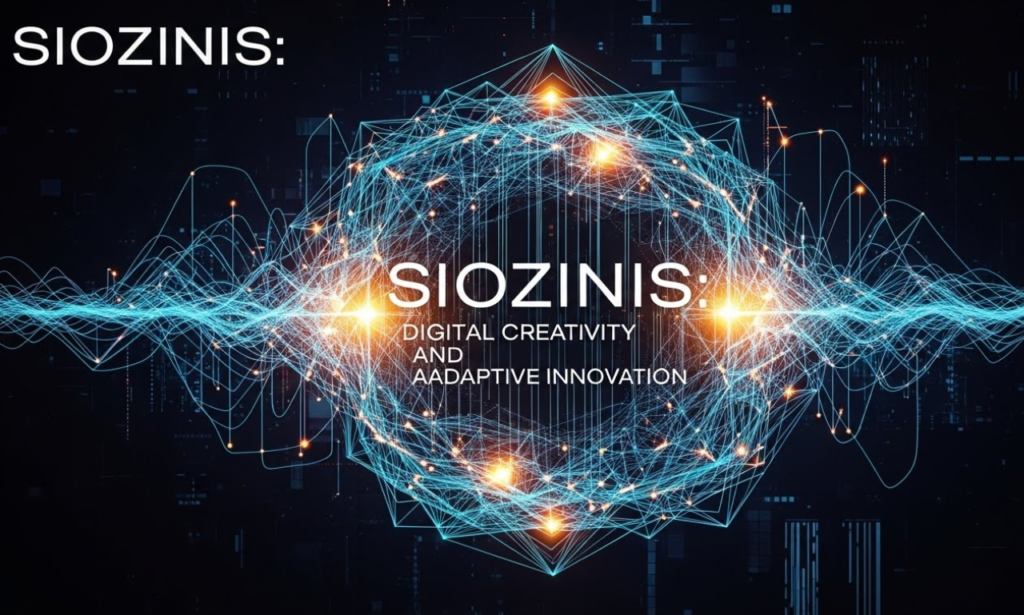
In the modern digital ecosystem, originality and flexibility are essential for standing out. Siozinis is a contemporary term that embodies these qualities, representing creativity, adaptability, and forward-thinking innovation. Rather than being limited to a single definition, Siozinis functions as an open concept that can evolve alongside technology, branding, and creative expression.
What Is Siozinis?
Siozinis can be understood as a symbolic name rather than a fixed label. It is often associated with modern ideas, experimental thinking, and digital-first identity. The strength of Siozinis lies in its interpretive freedom, allowing individuals and organizations to shape its meaning according to their vision.
This flexibility makes Siozinis especially relevant in a time when digital identities must remain dynamic and responsive to change.
The Linguistic and Aesthetic Appeal of Siozinis
From a branding perspective, Siozinis carries a balanced and modern sound. Short, distinctive names with unique phonetics tend to perform better across digital platforms. Siozinis is easy to pronounce, visually appealing, and memorable—three essential traits for success in competitive online spaces.
Additionally, its neutral structure gives it a global identity. Since it does not tie itself to a specific culture or language, Siozinis can easily be adopted across international markets.
Siozinis in Branding and Identity Design
In branding, a name often becomes the foundation of perception. Siozinis offers a strong base for identity creation because it allows brands to define their own narrative. Whether used by a startup, creative studio, or digital product, the name can grow and adapt over time.
Brands built around Siozinis can emphasize values such as innovation, clarity, and originality. Because the term is not restrictive, it supports long-term scalability and repositioning when needed.
Creative Expression and Conceptual Freedom
Creativity thrives where limitations are minimal. Sioz-inis supports this principle by acting as a conceptual framework rather than a rigid definition. Artists, designers, writers, and digital creators can use Sioz-inis to represent experimentation, originality, and expressive freedom.
In creative communities, abstract names often evolve into symbols. Over time, Sioz-inis could represent a mindset—one that values exploration, adaptability, and modern aesthetics.
Siozinis in Technology and Digital Innovation
Technology favors solutions that are modular, scalable, and user-centric. Sioz-inis aligns naturally with these priorities. It can be associated with software platforms, digital tools, or emerging technologies that focus on efficiency and innovation.
For example, a tech product named Sioz-inis could symbolize seamless integration and intelligent design. As digital systems become more interconnected, such adaptable concepts gain increasing relevance.
Cultural Relevance in the Digital Era
Digital culture values uniqueness and storytelling. Sioz-inis reflects this shift by offering a name that invites meaning rather than dictates it. This allows communities and audiences to connect emotionally and intellectually with the concept.
Moreover, in an age where personal branding and online presence matter more than ever, Sioz-inis can serve as a distinctive identity marker that stands out without being overly complex.
The Future Potential of Siozinis
Looking ahead, Sioz-inis holds strong potential for long-term relevance. As branding, creativity, and technology continue to merge, flexible concepts will become increasingly valuable. Sioz-inis can evolve alongside trends, making it suitable for future-focused projects.
Its adaptability ensures that it can remain meaningful even as digital environments change, giving it sustainability beyond short-term trends.
Conclusion
In conclusion, Sioz-inis is more than just a name—it represents modern creativity, adaptive innovation, and digital identity. Its open-ended nature, global appeal, and aesthetic strength make it a powerful concept for branding, technology, and creative expression.