
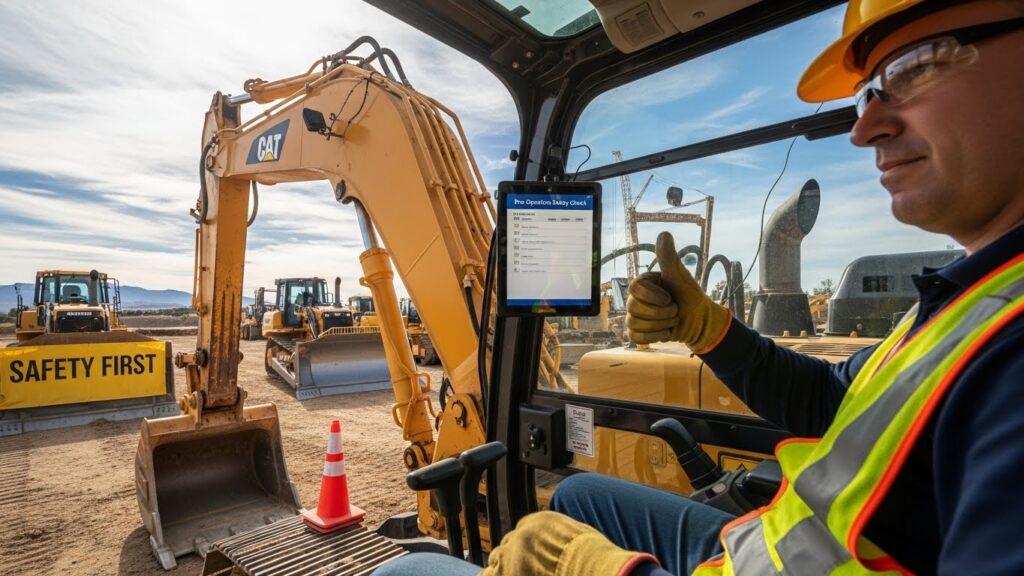
On any construction site, safety is the most important part of the job. For heavy equipment operators, this principle is even more critical. Handling powerful machinery requires skill, focus, and an unwavering commitment to safe practices. A single moment of inattention can have significant consequences. By prioritizing safety through proper preparation, diligent maintenance, and strict adherence to on-site protocols, operators can protect themselves, their colleagues, and the project’s integrity.
Preparation Before Starting the Engine
Effective safety begins long before the equipment is turned on. A thorough pre-operation routine is the first line of defense against accidents and equipment failure.
Daily Inspections and Walk-Arounds
Every shift should start with a comprehensive walk-around inspection of the machine. This is not a task to be rushed. Operators should follow a standardized checklist to examine key components. Look for signs of wear and tear, fluid leaks, or damage to tires, tracks, and hydraulic hoses. Check fluid levels, including oil, fuel, and coolant, to ensure they are at the appropriate levels for operation.
This routine check also includes ensuring all safety features are functional. Test the horn, lights, and backup alarms. Verify that mirrors and windows are clean and provide a clear, unobstructed view of the surrounding area. Identifying a potential problem on the ground is far safer and easier than dealing with it once the machine is in use.
Understanding the Work Environment
Before beginning work, it is vital to assess the job site. Take note of the terrain, identifying any slopes, soft ground, or potential obstacles. Be aware of the location of other workers, vehicles, and structures. A clear understanding of overhead power lines, underground utilities, and other potential hazards is essential for preventing accidents. A project plan should clearly map these elements, and operators must review it daily.
On-Site Safety Protocols
Once the equipment is running, a new set of safety responsibilities comes into play. Constant situational awareness and clear communication are key to navigating a dynamic work environment.
Maintaining Situational Awareness
An operator must remain alert at all times. This means keeping a 360-degree awareness of the machine’s position and its relationship to everything around it. Constantly check mirrors and blind spots, especially when moving or rotating the equipment. Distractions, such as mobile phones or anything that draws attention away from the task at hand, should be eliminated.
When operating machinery with a large swing radius, like an excavator or a crawler crane in Utah, it is crucial to establish a clear and secure work zone. Use cones, barriers, or a spotter to keep unauthorized personnel out of the machine’s path.
Communication is Key
Clear and consistent communication among all team members is non-negotiable. Use hand signals, radios, and direct verbal commands to coordinate movements with ground personnel. Never assume that others see you or know your intentions. Always confirm signals and get acknowledgment before proceeding with a lift or a move. A brief pre-shift meeting to discuss the day’s plan and communication protocols can prevent misunderstandings and improve overall site safety.
The Importance of Regular Maintenance
Beyond daily checks, a proactive approach to equipment maintenance is fundamental to long-term safety. Well-maintained machinery is reliable and less likely to experience unexpected failures. Following the manufacturer’s recommended service schedule ensures that all components are inspected, serviced, and replaced as needed by qualified technicians. Keeping detailed maintenance logs provides a valuable history of the machine’s condition and can help identify recurring issues before they become serious problems.
The Future of Operator Safety
The commitment to safety is an ongoing process of learning and adaptation. As technology advances, new tools and systems are emerging to enhance operator safety, from collision avoidance sensors to virtual reality training simulators. Embracing these innovations while reinforcing foundational best practices will ensure that safety remains the top priority. For heavy equipment operators, a diligent and professional approach to their work is what builds a culture of safety that protects everyone on the job site.