
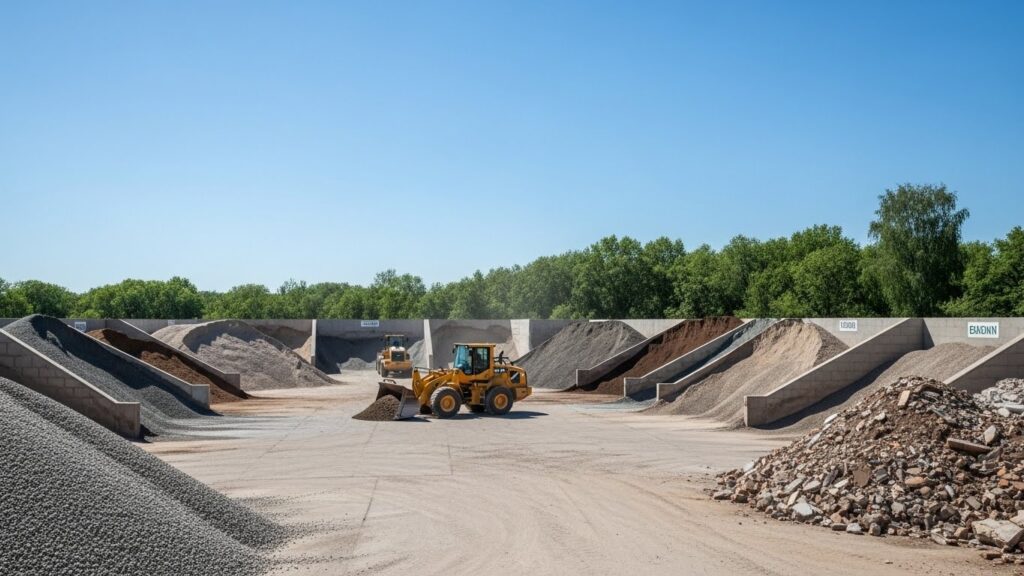
Hauling materials and equipment is a fundamental part of any large construction or landscaping project. The efficiency of this process can significantly impact timelines, budgets, and overall success. For contractors, optimizing hauling isn’t just about moving items from point A to B; it’s about doing so with precision, safety, and speed. Delays in transportation can cause a domino effect, leading to idle crews, stalled progress, and increased operational costs.
This guide will explore practical strategies contractors can implement to enhance efficiency on large hauling projects. From selecting the right equipment to leveraging smart logistics, these tips will help you streamline your operations, reduce downtime, and keep your projects on track. By focusing on a few key areas, you can turn your hauling process from a potential bottleneck into a competitive advantage.
Match the Trailer to the Task
The foundation of efficient hauling is using the right equipment for the job. A trailer that is too small requires multiple trips, wasting time and fuel. One that is too large can be cumbersome to maneuver on-site and may be an unnecessary expense. Contractors need to assess the specific demands of each project to select the most appropriate trailer.
Consider Load Type and Weight
The materials you’re hauling will dictate the type of trailer you need.
- Heavy Equipment: Transporting excavators, bulldozers, or skid steers requires a heavy-duty equipment trailer or a lowboy with appropriate ramps for safe loading and unloading.
- Bulk Materials: For moving loose materials like gravel, sand, or soil, a dump trailer is indispensable. Its hydraulic lift mechanism allows for quick and effortless unloading, saving significant manual labor and time.
- Tools and Supplies: When you need to protect valuable tools, sensitive materials, and equipment from the elements and theft, a secure, covered option is best. If you’re looking for an enclosed trailer for sale in Utah, you’ll find options that offer both protection and organized storage.
Evaluate Size and Capacity
Beyond the type, consider the trailer’s Gross Vehicle Weight Rating (GVWR) to ensure it can safely handle your heaviest loads. Also, think about the dimensions. Will the trailer fit through tight access points on the job site? Is it long enough for your largest pieces of equipment? Answering these questions beforehand prevents costly delays and safety hazards.
Streamline Loading and Unloading
Time spent loading and unloading is time not spent on the core tasks of your project. Optimizing this part of the process can yield significant efficiency gains.
- Plan Your Load: Before you start loading, have a clear plan. Place items you’ll need first at the back of the trailer for easy access. Distribute weight evenly to ensure stable and safe transport. Proper weight distribution—typically 60% of the load in front of the axle and 40% behind it—prevents trailer sway and improves handling.
- Use the Right Equipment: Utilize ramps, forklifts, or cranes to load heavy items safely and quickly. For dump trailers, ensure the unloading area is clear and on level ground to prevent tipping.
- Train Your Crew: Ensure every team member involved in hauling understands the proper procedures for loading, securing, and unloading. A well-trained crew works faster, makes fewer mistakes, and prioritizes safety, reducing the risk of accidents and equipment damage.
Optimize Logistics and Route Planning
The shortest route isn’t always the most efficient one. Smart logistics and route planning can save you hours on the road and reduce fuel consumption.
- Use Technology: Leverage GPS and traffic apps like Google Maps or Waze to identify the fastest routes and avoid traffic congestion, road closures, and construction zones. Some advanced fleet management systems can even suggest routes optimized for large vehicles, avoiding low bridges or roads with tight turns.
- Schedule Strategically: Plan your hauling activities during off-peak traffic hours whenever possible. An early morning or mid-day trip can be much faster than one during rush hour.
- Combine Trips: Consolidate multiple smaller trips into one larger, well-planned haul. This reduces travel time, fuel costs, and wear and tear on your vehicles and trailers.
Prioritize Regular Maintenance
A breakdown on the way to or from a job site is a contractor’s nightmare. It not only halts the project but can also lead to expensive roadside repairs and towing fees. A proactive maintenance schedule is crucial for reliability.
- Daily Checks: Before each trip, conduct a quick inspection. Check tire pressure, ensure lights are working, test the brakes, and inspect the hitch and safety chains.
- Scheduled Service: Follow a regular maintenance schedule for your trucks and trailers. This includes checking brakes, lubricating moving parts, and inspecting the frame for any signs of stress or damage.
- Keep Records: Maintain a log of all maintenance activities for each piece of equipment. This helps you stay on top of service needs and provides a valuable record of the vehicle’s condition.
Final Haul: Driving Your Project Forward
For contractors, efficiency is profit. By optimizing your hauling operations, you do more than just save time—you enhance project profitability, improve safety, and build a reputation for reliability. It starts with choosing the right trailer for the job and extends to smart loading practices, strategic route planning, and diligent maintenance.
Implementing these strategies will help you minimize downtime and keep your projects moving forward smoothly. Take a close look at your current hauling process and identify areas for improvement. A few small adjustments can make a big difference, allowing you to complete your projects faster and more effectively.