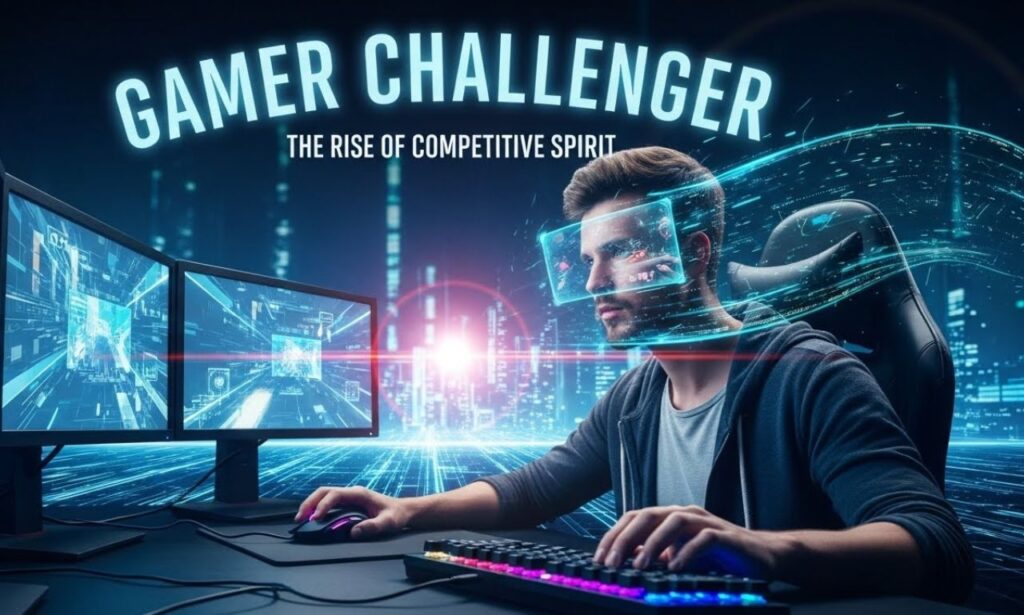
The term gamer challenger has become increasingly popular in today’s competitive gaming culture, symbolizing players who actively seek high-level competition to test their skills. From casual online matches to high-stakes esports tournaments, the gamer challenger mindset represents ambition, discipline, and the desire to constantly improve. In a digital era where gaming is both entertainment and profession, this concept has gained global relevance across all age groups.
Understanding the Gamer Challenger Mindset
A gamer challenger is not just someone who plays games for fun; they approach gaming as a serious pursuit of excellence. This mindset is driven by the desire to compete, learn, and outperform opponents. Unlike casual players who mainly focus on relaxation, challenger-oriented gamers treat every match as an opportunity for growth.
At the heart of this mindset is resilience. Losses are not seen as failures but as lessons that sharpen strategy and skill. Patience, focus, teamwork, and adaptability form the foundation of this competitive approach. This dedication separates ordinary players from those who strive for elite performance.
The Evolution of Gamer Challenger Culture
Early Competitive Gaming Roots
The gamer challenger culture did not appear overnight. Its roots trace back to the early days of arcade gaming, where players competed for high scores and bragging rights. As home consoles and personal computers became widespread, competition shifted online, allowing players from different countries to challenge one another in real time.
This global connectivity transformed gaming into a competitive ecosystem, where skills were constantly measured and compared. Leaderboards, ranking systems, and online tournaments laid the groundwork for the modern gamer challenger identity.
The Impact of Esports and Streaming
With the rise of esports and live streaming platforms, competitive gaming became a spectator sport. Professional gamers turned into celebrities, inspiring millions of players to adopt the challenger mindset. Watching high-level gameplay exposed aspiring gamers to advanced strategies, mechanical precision, and disciplined training routines.
Streaming also created direct engagement between professional players and fans, making competitive gaming more accessible and motivating for emerging challengers.
Gamer Challenger and Skill Development
Practice as a Core Principle
One of the defining features of a gamer challenger is a deep commitment to consistent practice. Every competitive player understands that skill is built over time through repetition and refinement. Training sessions often involve mechanical drills, strategy review, and replay analysis.
This disciplined approach mirrors that of traditional athletes, proving that gaming has evolved into a performance-based activity that demands both mental and physical conditioning.
Strategic Thinking and Adaptability
Beyond reflexes and hand-eye coordination, a true gamer challenger must master strategic thinking. Understanding game mechanics, predicting opponent behavior, and adapting tactics mid-match are critical skills. Competitive games are dynamic, and success often depends on how quickly a player can analyze and respond to changing situations.
Technology’s Role in Shaping the Gamer Challenger Experience
Technological advancement has played a crucial role in shaping the gamer challenger landscape. High-performance gaming hardware, responsive peripherals, and fast internet connections have raised the competitive standard. Players now rely on precision tools such as gaming mice, mechanical keyboards, high-refresh-rate monitors, and advanced headsets to gain an edge.
Game developers also contribute by constantly updating titles with new modes, balance patches, and ranking systems. These innovations ensure that competition remains fair, engaging, and continuously evolving.
Additionally, data analytics and performance-tracking software allow challenger-focused players to study their weaknesses and monitor improvements over time.
Psychology Behind the Gamer Challenger Drive
Motivation and Mental Toughness
The psychological strength of a gamer challenger is just as important as technical skill. Motivation fuels long hours of practice, while mental toughness helps players stay calm under pressure. Competitive gaming environments can be intense, with high expectations and strong opponents.
Maintaining focus during critical moments often determines the outcome of matches. Emotional control, confidence, and the ability to recover quickly from mistakes are hallmarks of successful challengers.
Handling Pressure and Competition
Ranked matches, tournaments, and public leaderboards naturally create stress. A gamer challenger must learn how to perform under pressure without allowing frustration or anxiety to interfere with decision-making. This process often requires mindfulness, routine building, and self-discipline.
Many professional competitors now work with sports psychologists to strengthen mental performance, highlighting how serious the competitive gaming world has become.
Gamer Challenger in Online Communities
Building Identity and Reputation
Online gaming communities play a major role in shaping a gamer challenger’s identity. Through competitive rankings, player profiles, and social platforms, challengers build reputations based on their performance and conduct. Respect is often earned through consistent skill, teamwork, and sportsmanship.
Competitive forums, Discord servers, and social media groups also allow players to exchange strategies, share highlights, and form teams. These communities foster collaboration as much as competition.
Toxicity and Sportsmanship Challenges
While competition drives excellence, it also exposes players to negative behaviors such as trash-talking, cheating, and harassment. A true gamer challenger strives to maintain ethical conduct and respect opponents, understanding that sportsmanship is essential for healthy competition.
Many gaming platforms now enforce stricter rules to promote fair play and positive interaction within competitive environments.
Gamer Challenger and Career Opportunities
From Hobby to Professional Path
For some individuals, the gamer challenger identity evolves into a professional career. Esports athletes, streamers, content creators, and gaming coaches all begin with competitive ambition. Tournaments offer prize money, sponsorship deals, and global recognition.
While only a small percentage reach professional levels, the gaming industry also provides career paths in game design, quality testing, community management, and digital marketing.
Education and Skill Transfer
Interestingly, the skills developed through the challenger mindset are transferable beyond gaming. Strategic thinking, teamwork, leadership, problem-solving, and time management are valuable in academic and professional environments. Many educational institutions now recognize esports and competitive gaming as legitimate extracurricular activities.
Health and Balance in the Gamer Challenger Lifestyle
Physical Health Considerations
Competitive gaming requires long hours of screen time, which can strain the eyes, wrists, and posture. A responsible gamer challenger must prioritize physical health through proper ergonomics, regular exercise, and adequate rest.
Hydration, balanced nutrition, and scheduled breaks help prevent burnout and physical injury. These habits are essential for maintaining peak performance over time.
Mental Well-Being and Burnout Prevention
The pressure to constantly improve can lead to stress and emotional exhaustion. Burnout is a real risk within competitive gaming. Maintaining a balance between gaming and personal life is vital for long-term success and enjoyment.
Healthy challengers set realistic goals, take breaks when needed, and cultivate interests beyond gaming to preserve their overall well-being.
The Future of the Gamer Challenger Movement
The future of the gamer challenger movement is closely tied to the continued growth of digital entertainment and competitive platforms. With the expansion of virtual reality, artificial intelligence, and cloud gaming, competitive experiences are expected to become more immersive and accessible.
Mobile gaming is also developing its own challenger culture, allowing players to compete at high levels using smartphones and tablets. As technology evolves, the definition of competitive gaming will expand beyond traditional platforms.
Educational esports programs, corporate-sponsored leagues, and global tournaments will further solidify the gamer challenger identity as a mainstream cultural and professional path.
Conclusion
The gamer challenger represents more than just a competitive player—it symbolizes dedication, ambition, and continuous self-improvement in the digital era. From skill development and psychological resilience to community engagement and career opportunities, this mindset reflects the evolving nature of gaming as both sport and profession.
While the competitive path is demanding, it also offers personal growth, global connection, and new possibilities in the digital economy. With the right balance of discipline, health, and ethics, the gamer challenger journey can be both rewarding and inspiring. As technology and esports continue to grow, this competitive spirit will remain at the heart of modern gaming culture.