Education is evolving rapidly, driven by technology, new teaching methods, and the need for adaptable learning environments. One concept gaining increasing attention is classroom 30x, a modern approach that focuses on maximizing learning outcomes through optimized space, digital integration, and student-centered strategies. As schools and institutions search for better ways to support engagement and performance, classroom 30x has emerged as a forward-thinking solution.
This article explores what classroom 30x means, how it improves learning experiences, and why it is becoming a valuable model in today’s educational landscape.
Understanding the Concept of Classroom 30x
At its core, classroom 30x represents a learning environment designed to enhance efficiency, interaction, and flexibility. Rather than relying solely on traditional layouts and teaching methods, classroom 30x emphasizes smart use of space, modern tools, and adaptive instruction techniques.
The “30x” aspect symbolizes growth, scalability, and enhanced learning capacity. It reflects the idea of multiplying educational impact by creating environments that support collaboration, creativity, and critical thinking.
Why Classroom 30x Is Gaining Popularity
Meeting the Needs of Modern Learners
Students today learn differently than previous generations. Classroom 30x aligns with digital-native learners by incorporating technology and interactive elements that match their learning styles.
Adapting to Changing Educational Models
Hybrid and blended learning models are becoming more common. Classroom 30-x supports these changes by offering flexible layouts and digital tools that accommodate both in-person and virtual instruction.
Key Features of a Classroom 30x Environment
Flexible Seating and Layouts
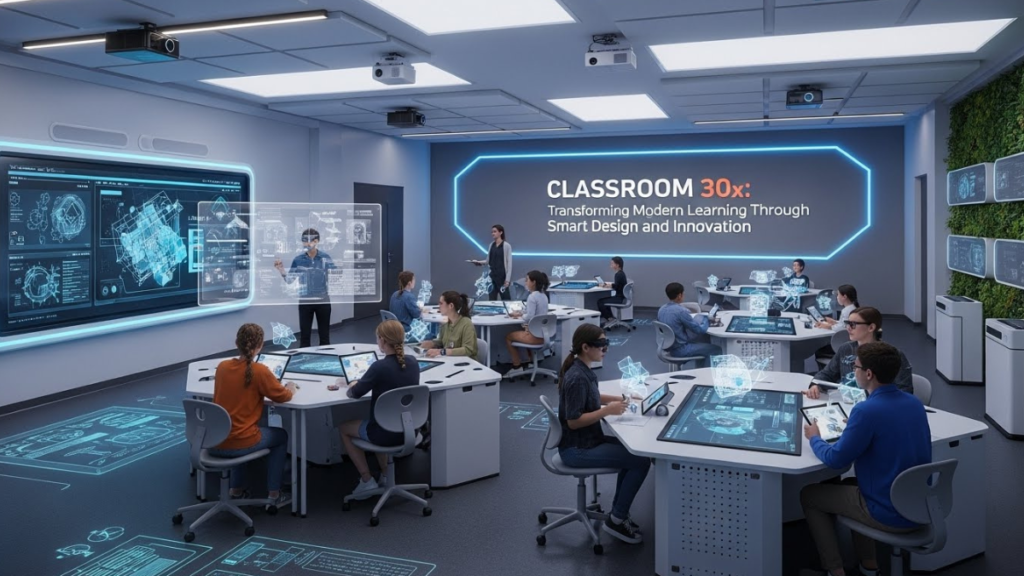
A defining feature of classroom 30-x is adaptable seating. Movable desks, modular furniture, and open spaces allow teachers to shift between lectures, group work, and independent study with ease.
Technology Integration
Classroom 30-x environments often include:
-
Interactive displays
-
Digital whiteboards
-
Learning management systems
-
Student devices such as tablets or laptops
These tools enhance participation and make lessons more dynamic.
Classroom 30x and Student Engagement
Encouraging Active Learning
Traditional classrooms often emphasize passive learning. Classroom 30-x prioritizes active participation through discussions, collaborative projects, and problem-solving activities.
Supporting Different Learning Styles
Visual, auditory, and kinesthetic learners all benefit from the diverse teaching methods supported by classroom 30-x. This inclusivity improves comprehension and retention.
The Role of Teachers in Classroom 30x
From Lecturers to Facilitators
In a classroom 30-x model, teachers act as facilitators rather than sole sources of information. They guide discussions, support exploration, and encourage critical thinking.
Professional Growth Opportunities
Educators working in classroom 30-x environments often develop new skills related to technology use, classroom management, and innovative instruction methods.
Classroom 30x and Collaborative Learning
Building Communication Skills
Group activities are central to classroom 30-x. Students learn to communicate effectively, share ideas, and respect different perspectives.
Preparing Students for Real-World Challenges
Collaboration mirrors real-world work environments. Classroom 30-x helps students develop teamwork and problem-solving skills that extend beyond academics.
Benefits of Classroom 30x for Institutions
Improved Learning Outcomes
Institutions adopting classroom 30-x often report higher engagement levels and improved academic performance due to interactive teaching strategies.
Efficient Use of Resources
Smart design and technology integration help institutions maximize the value of existing resources while reducing long-term operational costs.
Challenges in Implementing Classroom 30x
Initial Investment
Transitioning to a classroom 30-x model may require upfront investment in furniture, technology, and training. However, long-term benefits often outweigh initial costs.
Teacher Training and Adaptation
Successful implementation depends on proper training. Educators need support to adapt to new tools and teaching approaches within classroom 30-x settings.
The Future of Classroom 30x
As education continues to evolve, classroom 30-x is likely to play a growing role in shaping learning environments. Advances in educational technology, artificial intelligence, and data-driven teaching methods will further enhance its effectiveness.
Future classroom 30-x designs may include immersive learning tools, personalized instruction systems, and even greater flexibility to support diverse educational needs.
Why Classroom 30x Matters in Modern Education
Education is no longer confined to static spaces and one-size-fits-all instruction. Classroom 30-x represents a shift toward adaptability, innovation, and student empowerment. By fostering engagement, collaboration, and creativity, it prepares learners for academic success and lifelong learning.
Conclusion
The classroom 30-x approach offers a powerful framework for reimagining education in the modern era. Through flexible design, technology integration, and student-centered teaching, it creates an environment where learning thrives. As schools and institutions continue to innovate, classroom 30-x stands as a model that balances tradition with progress, ensuring education remains relevant and effective.