In many regions, administrative and cultural terms play a vital role in organizing communities and preserving local identity. Tumbons represent one such important concept, especially within systems that value local governance and community‑based administration. Over time, tumbons have continued to evolve, adapting to social, economic, and technological changes while maintaining their foundational purpose.
Understanding the Meaning of Tumbons
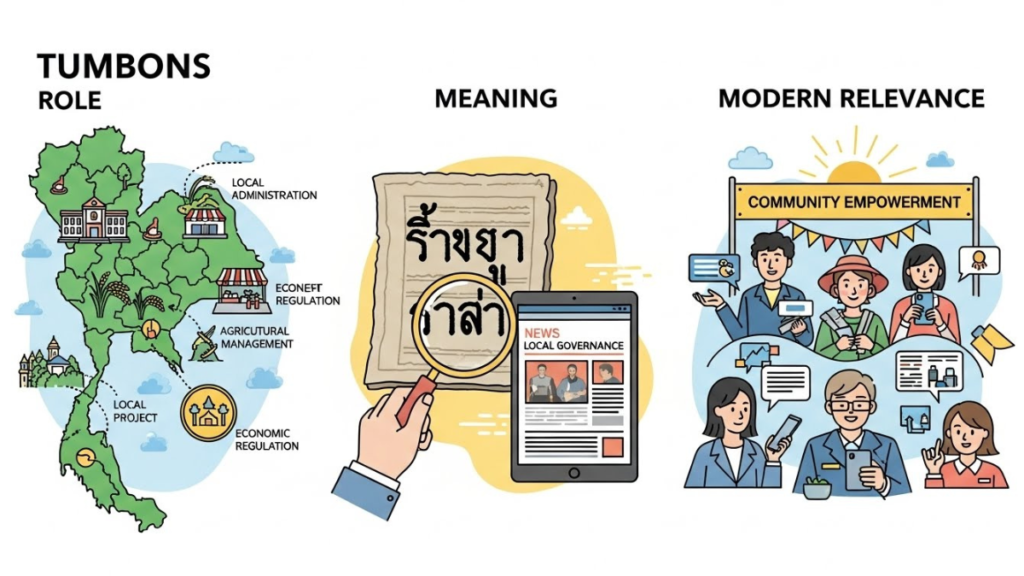
Tumbons generally refer to local administrative divisions that exist between larger districts and smaller villages or communities. They help bridge the gap between central governance and local populations. By providing an organized structure, tumbons support effective management, communication, and service delivery at the grassroots level.
Historical Background of Tumbons
The concept of tumbons has historical roots in traditional administrative systems. In earlier times, communities relied on localized governance to manage land, resources, and social matters. Over generations, tumbons developed as recognized units that balanced authority and community participation.
Administrative Role of Tumbons
Modern governance often depends on clear territorial organization, and tum-bons play an essential role in this framework.
Local Governance and Management
Through tum-bons, local authorities can better understand community needs. These administrative units help manage public services, maintain records, and support development initiatives. Their localized structure allows decision‑makers to respond more efficiently to issues affecting residents.
Coordination with Higher Authorities
Tum-bons also act as intermediaries between villages and larger districts. This coordination ensures that policies from higher administrative levels are implemented effectively while local feedback reaches decision‑makers.
Social and Cultural Importance of Tumbons
Beyond administration, tum-bons carry strong social and cultural significance.
Preserving Local Identity
Each of the tum-bons often reflects unique cultural traditions, languages, or customs. Community events, festivals, and local practices help strengthen social bonds and preserve heritage within these administrative boundaries.
Community Participation and Engagement
Residents within tum-bons typically engage more actively in local affairs. This participation promotes accountability and fosters a sense of belonging, encouraging people to contribute to collective progress.
Economic Impact of Tumbons
Economic development frequently begins at the local level, and tum-bons provide a practical foundation for such growth.
Supporting Local Businesses
Small enterprises and agricultural activities often operate within tum-bons. Local governance structures help regulate markets, support entrepreneurship, and connect producers with wider economic networks.
Infrastructure and Development Projects
Development initiatives are easier to plan and manage through tum-bons. Roads, schools, healthcare facilities, and utilities can be distributed more effectively when planners understand local demographics and needs.
Tumbons in the Digital Era
As technology reshapes governance, tum-bons are also adapting to digital systems.
Digital Records and Administration
Many administrative tasks within tum-bons now rely on digital records. This transition improves efficiency, reduces paperwork, and enhances transparency in public services.
Online Communication and Services
Digital platforms enable tum-bons to communicate updates, announcements, and services more effectively. Online access strengthens community awareness and simplifies interactions with local authorities.
Challenges Faced by Tumbons
Despite their importance, tum-bons encounter various challenges in modern governance.
Resource and Funding Limitations
Limited budgets can restrict development within tum-bons. Balancing resources across multiple communities often requires careful planning and cooperation with higher administrative levels.
Population Growth and Urbanization
Rapid population changes place pressure on tum-bons. Expanding infrastructure and services while preserving cultural identity remains a key challenge.
Future Outlook of Tumbons
The continued relevance of tum-bons depends on their ability to adapt while maintaining strong community connections.
Sustainable Development Approaches
Sustainability initiatives increasingly rely on tum-bons to implement local environmental and social programs. Community‑led solutions often produce long‑lasting results.
Strengthening Local Leadership
Empowering leaders within tum-bons enhances governance quality. Training, education, and digital tools help local officials manage responsibilities more effectively.
Conclusions
In conclusion, tum-bons remain a cornerstone of localized administration, social identity, and community development. Their structured yet flexible nature allows them to support governance, culture, and economic growth simultaneously. As societies continue to evolve, tum-bons will likely play an even greater role in connecting people, policies, and progress at the local level.