
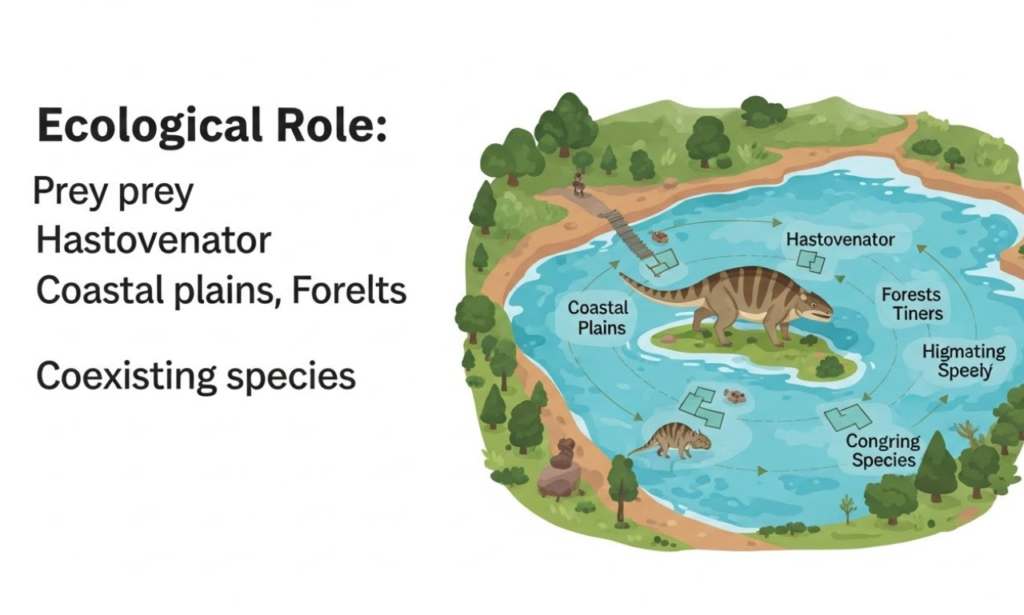
The keyword Hastovenetor has recently appeared in online searches, sparking curiosity among users who encounter it across digital platforms. Whether discovered through content indexing, brand exploration, or informational research, Hastovenetor represents a term that invites interpretation within modern digital and conceptual spaces.
This article explores Hastovenetor from an informational perspective, examining its possible context, digital relevance, and why such unique terms gain attention in today’s search-driven environment.
What Is Hastovenetor?
Hastovenetor appears to be a distinctive term rather than a widely established brand, product, or public entity. In many cases, keywords like this emerge due to:
-
Conceptual naming
-
Digital branding experiments
-
Creative or project-based identifiers
-
Search engine indexing of new terms
The uniqueness of Hastovenetor contributes to its visibility, as uncommon terms naturally attract interest and investigation.
The Conceptual Nature of Hastovenetor
In the digital era, many names are intentionally created to be abstract and flexible. Hastovenetor fits within this trend, where originality is prioritized over immediate definition.
Such terms are often designed to:
-
Be memorable and distinctive
-
Allow broad interpretation
-
Adapt to multiple use cases
-
Stand out in search results
This conceptual flexibility is one reason Hastovenetor may be gaining online attention.
Hastovenetor and Digital Identity
The rise of Hastovenetor highlights the growing importance of digital identity. Today, a single term can represent:
-
A developing platform
-
A creative concept
-
A project name
-
An informational reference point
Search engines surface these terms quickly, even when detailed public information is still limited. This creates early-stage visibility that drives curiosity.
Why People Are Searching for Hastovenetor
There are several common reasons why users might search for Hastove-netor:
-
To understand its meaning or origin
-
To verify whether it represents a service or platform
-
To check legitimacy or usage context
-
To explore emerging or unfamiliar keywords
This behavior reflects modern user habits, where research and verification precede engagement.
The Role of Unique Keywords in SEO
From an SEO perspective, Hastove-netor represents a low-competition, high-curiosity keyword. Unique terms often benefit from:
-
Easier search ranking
-
Clear brand differentiation
-
Strong identity formation
-
Reduced ambiguity in indexing
This makes such keywords attractive for early digital positioning and content creation.
Hastovenetor in Informational Content
In informational writing, Hastove-netor can be approached as a neutral topic focused on explanation rather than assumption. Responsible content creation emphasizes:
-
Context over speculation
-
Neutral tone and clarity
-
Avoidance of unsupported claims
-
Value-driven interpretation
This approach ensures trust and credibility for both readers and platforms.
Digital Trends Behind Terms Like Hastovenetor
The emergence of Hastove-netor aligns with broader digital trends, including:
-
Increased experimentation with naming
-
Growth of conceptual platforms
-
Expansion of digital footprints
-
Search-driven discovery behavior
As more projects and ideas move online, similar terms are likely to continue appearing.
Responsible Interpretation of Hastovenetor
When encountering a term like Hastove-netor, it is important to approach it thoughtfully. Limited public information does not indicate insignificance—it often signals early-stage development or conceptual usage.
Users are encouraged to:
-
Seek official sources when available
-
Avoid assumptions
-
Monitor how the term evolves online
This ensures informed and responsible engagement.
Final Thoughts on Hastovenetor
Hastove-netor represents a modern example of how unique terms gain online relevance through digital discovery and search behavior. While its exact definition or application may still be developing, its growing visibility highlights the evolving nature of digital naming and identity.